Stress & Emotions
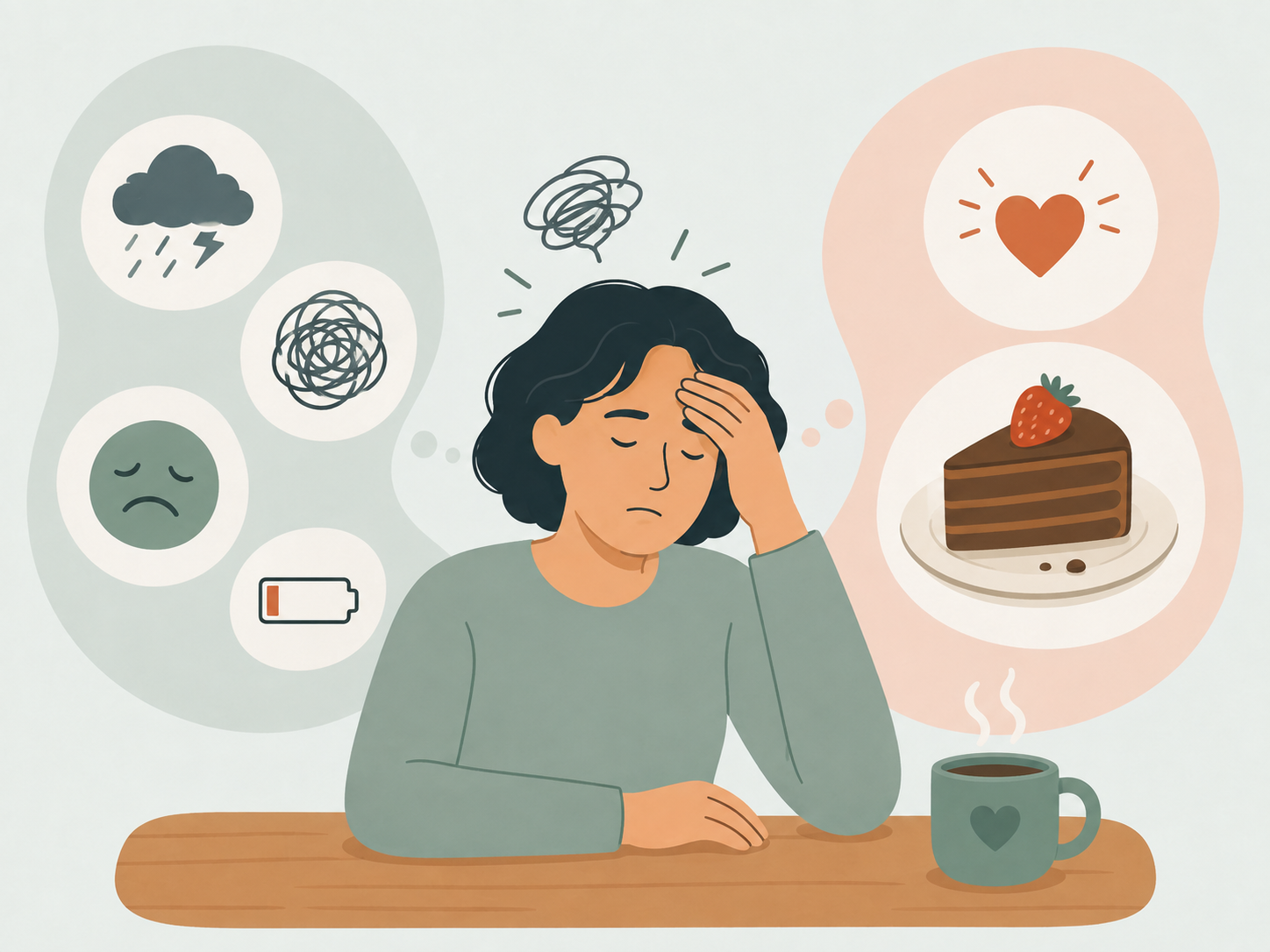
How to Stop Stress Eating at Night: A Practical Guide
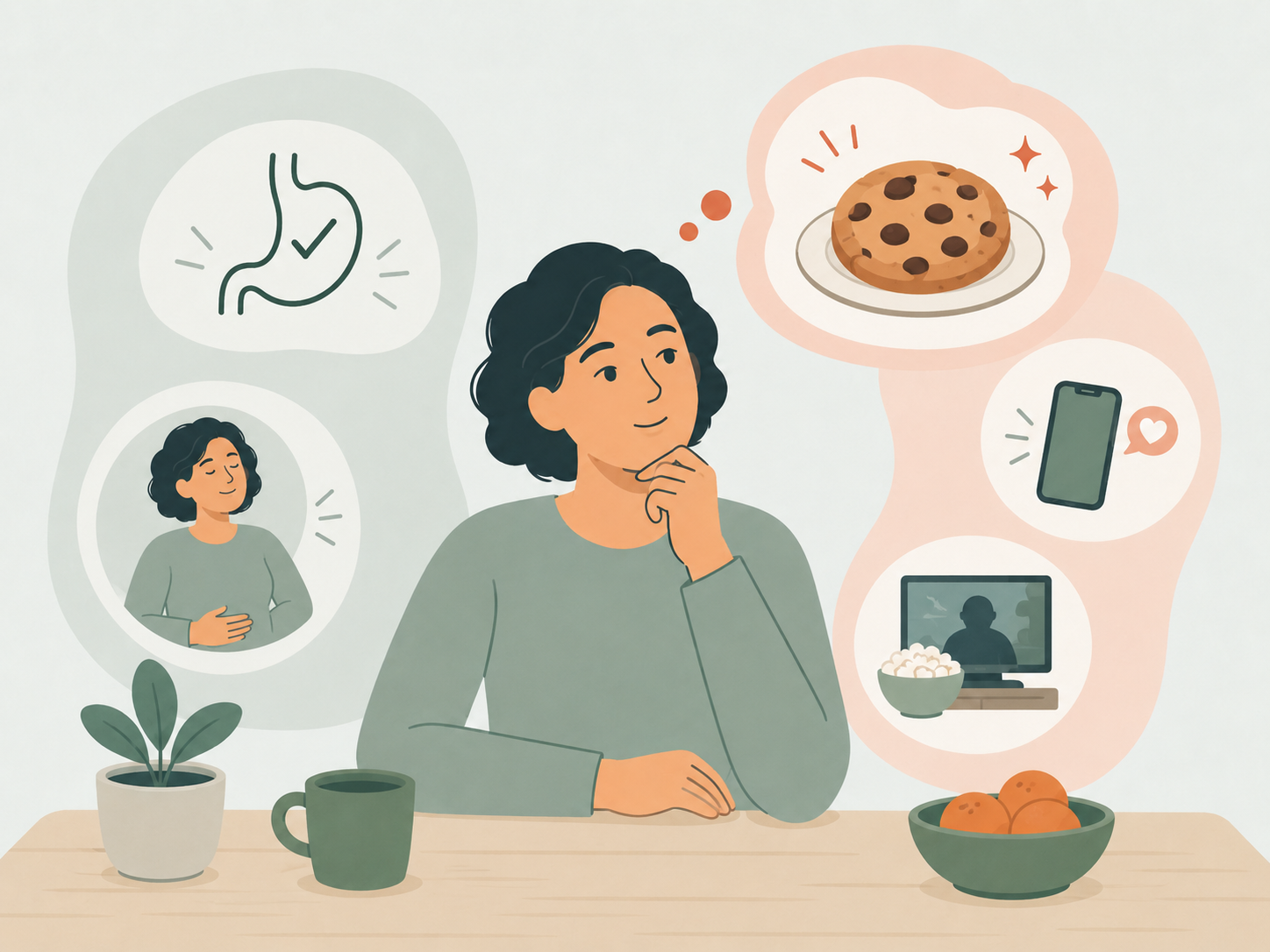
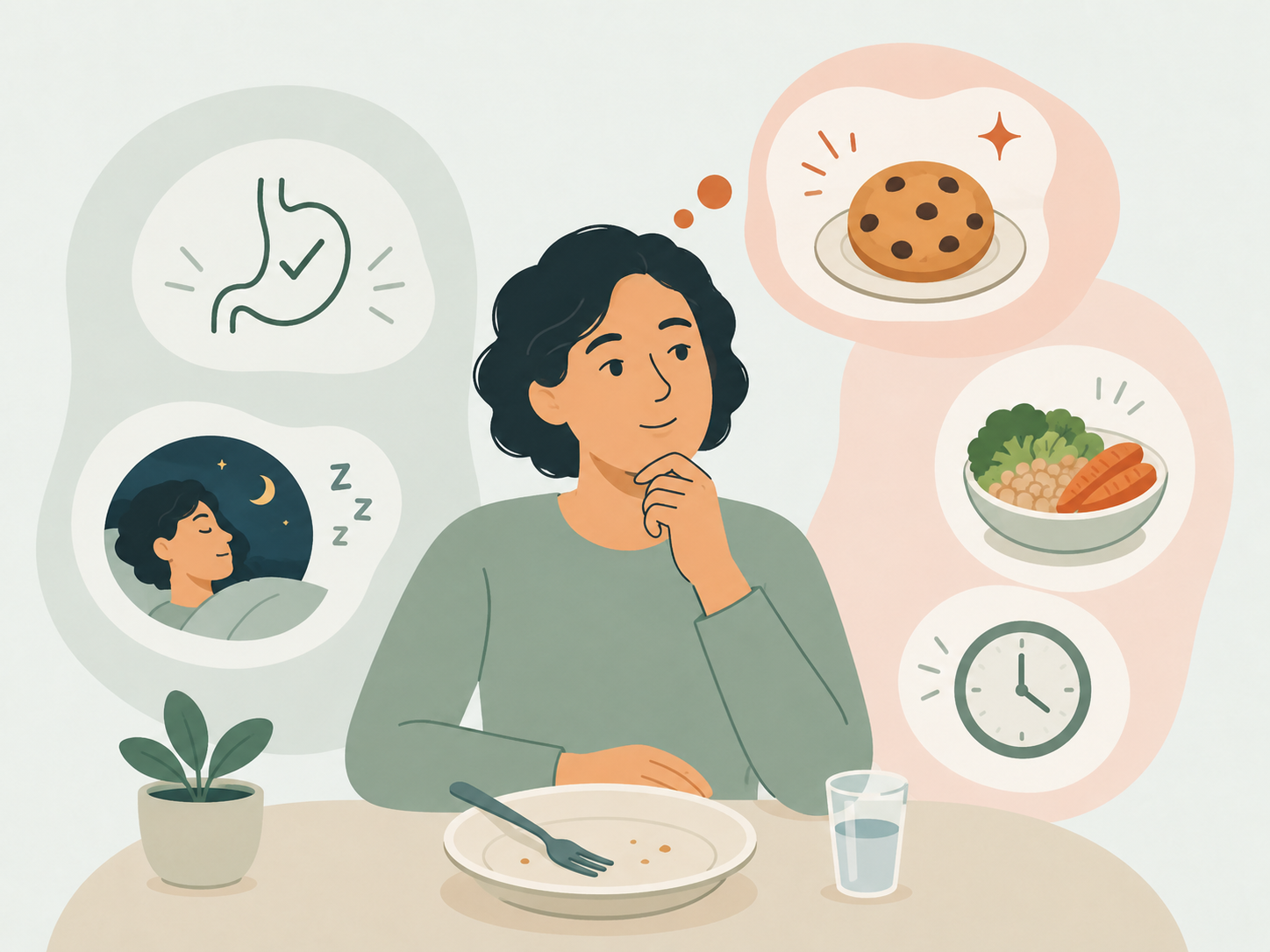
Nighttime stress eating can become a repeatable loop of stress, relief, routine and food cues. Learn how to pause, spot the pattern and build a more intentional evening routine.
Learn with NourishNot
Practical, evidence-informed guides designed to help you understand what may be happening before an urge to eat, without turning every food decision into a test.
Stress & Emotions
Nighttime stress eating can become a repeatable loop of stress, relief, routine and food cues. Learn how to pause, spot the pattern and build a more intentional evening routine.
Patterns and cravings
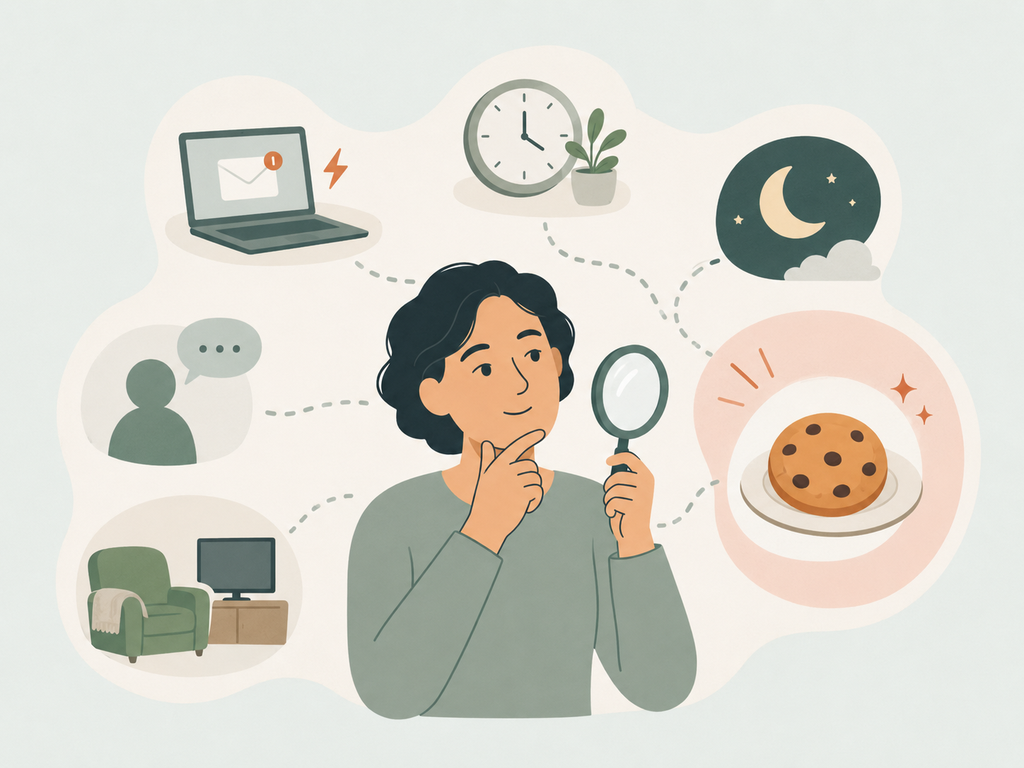
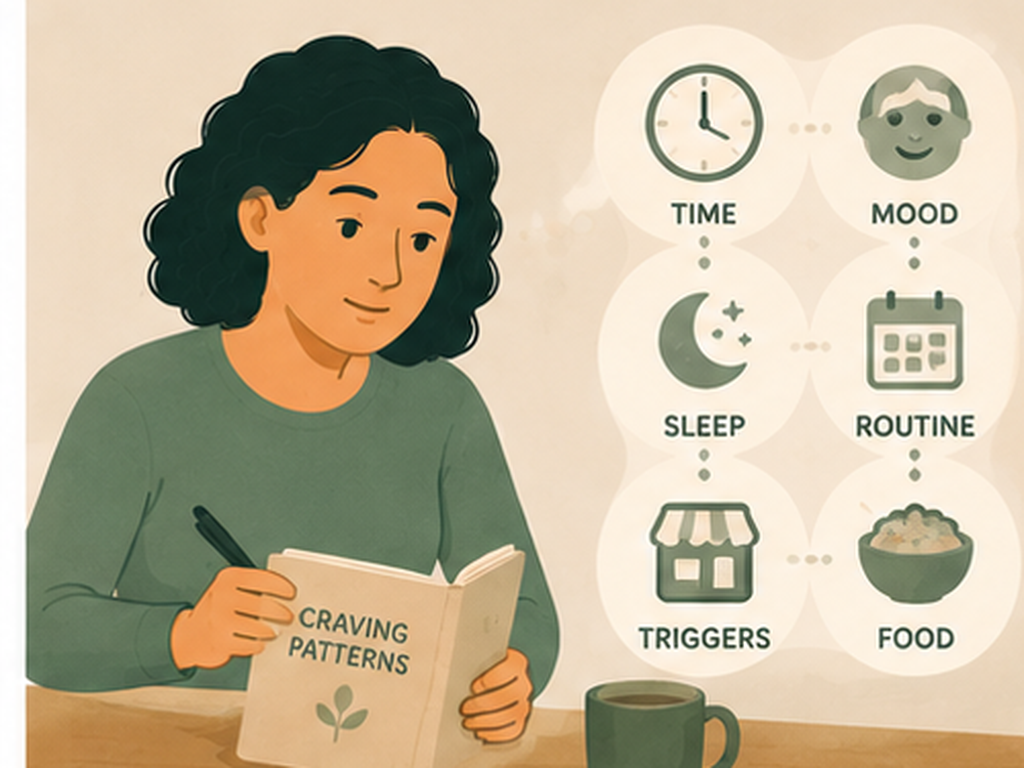
Food cravings can contain clues about timing, stress, sleep, routines and food cues. Learn what repeated cravings may reveal about your own eating patterns.
Understanding hunger
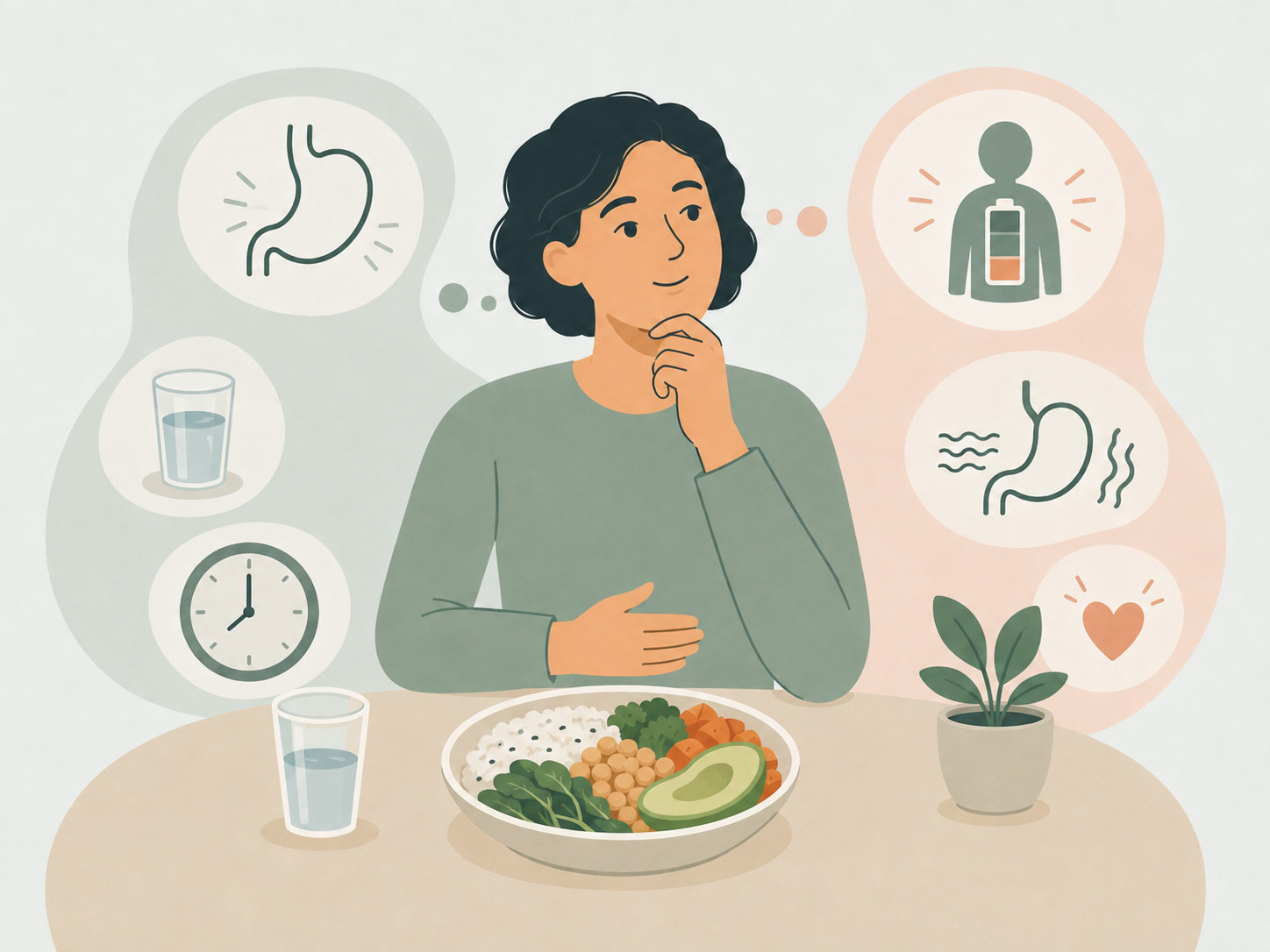
Not sure whether you're actually hungry? Learn practical clues that can help you compare physical hunger, cravings, cues and habits without turning the answer into a rule.
Hunger vs. cravings
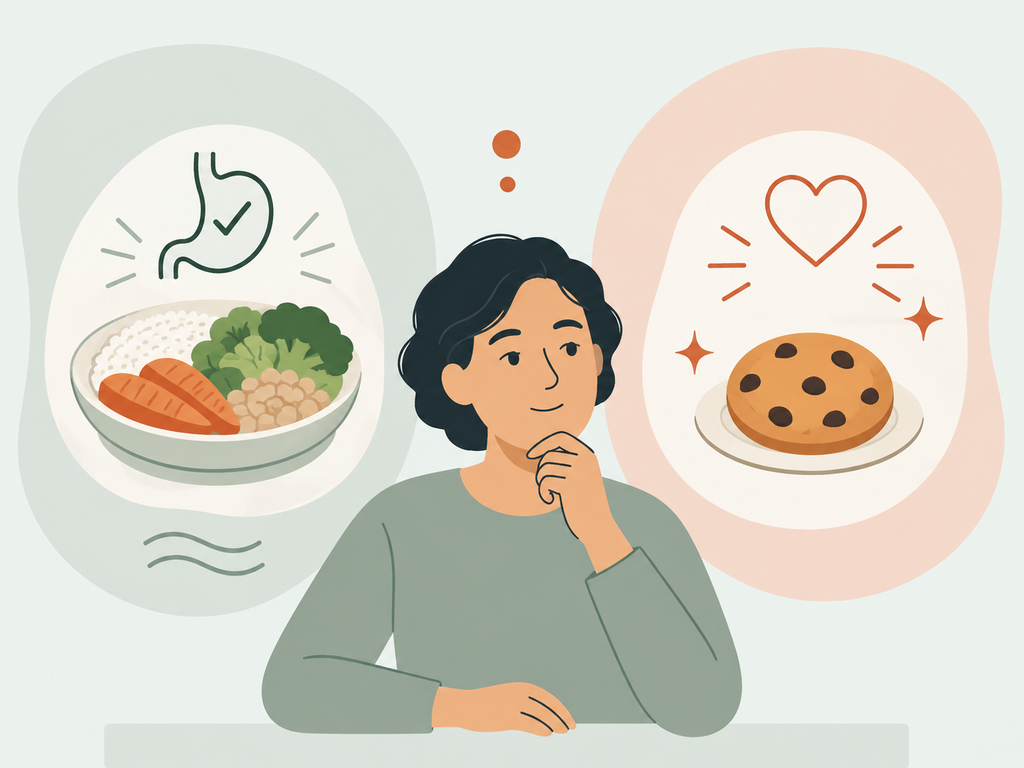
Learn why food cravings can appear without obvious physical hunger, how stress, boredom, habits, sleep and food cues may contribute, and what patterns are worth noticing.
Hunger after meals
Still hungry after eating? Learn how meal satisfaction, sleep, cravings, habits and food cues can shape hunger after meals, plus what patterns may be worth noticing.
Hunger vs. cravings
Learn practical clues that can help you tell physical hunger from a food craving, why the two can overlap, and how a short pause can make the pattern easier to notice.
Understanding emotional eating
Understand what emotional eating means, how stress and other emotions can shape eating, and how to recognize personal triggers without turning the process into self-blame.
Habits and automatic eating
Learn how repeated context-and-behaviour patterns can make eating feel automatic, and how to interrupt a habit loop without depending on constant willpower.
Practical strategies
Practical ways to interrupt emotional eating patterns by noticing triggers, creating a pause, changing routines, and preparing for predictable high-risk moments.
Stress and cravings
Learn why stress can change appetite and food cravings, why people respond differently, and how to spot a stress-eating pattern before it becomes automatic.
Boredom and eating
Learn why boredom can trigger snacking, how to tell boredom from hunger, and what to notice when eating becomes a quick source of stimulation.
Sleep and appetite
Explore how insufficient sleep can affect hunger, appetite, food reward and cravings, and learn what patterns to watch for after a short or disrupted night.
These guides are educational and are not a substitute for medical, nutritional or mental-health care. If eating patterns are causing significant distress or loss of control, consider speaking with a qualified professional.